Spring Bunny Clip Art: Elevate Your Seasonal Designs
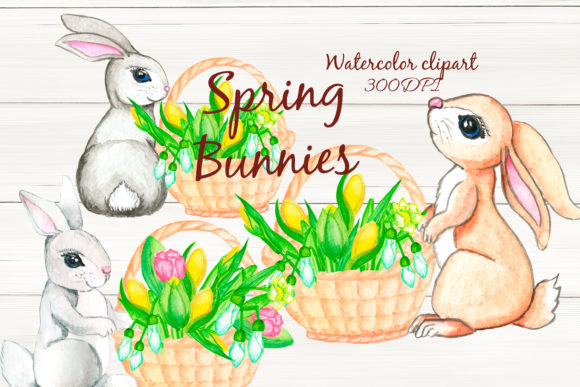
When spring arrives, it brings a specific visual language: soft pastels, new growth, and playful energy. For designers, marketers, and creators, capturing this essence requires the right design assets. The Spring Bunny Clip Art Rabbit Cute Animal collection is a prime example of a versatile resource that blends hand-painted charm with practical, high-resolution utility. This isn't just a set of images; it's a toolkit for building cohesive, engaging visual narratives.
The Anatomy of a Perfect Spring Asset
What makes this particular set of watercolor clipart stand out in a crowded market of digital clipart? It starts with the execution. Each illustration is hand-painted, resulting in the subtle imperfections and organic textures that give watercolor its timeless appeal. The bunnies are rendered with a distinct personality—curious, gentle, and undeniably cute—making them ideal for projects targeting a family-friendly or whimsical audience. The style strikes a balance between modern simplicity and classic illustration, ensuring it doesn't feel dated or overly generic.
Technically, the assets are built for professional use. Delivered as PNG files with transparent backgrounds, they integrate seamlessly into any layout without the hassle of manual clipping. The industry-standard 300 DPI resolution ensures that whether you're creating a small sticker or a large poster, the image remains crisp and clear. This level of detail is crucial for maintaining a professional standard in your brand identity or final product.
Strategic Applications for Maximum Impact
Understanding where to deploy these assets is key to leveraging their full potential. Their versatility makes them suitable for a wide array of projects, each benefiting from their unique charm.
For Marketing and Branding: These illustrations are powerful tools for seasonal campaigns. A small business can use them in social media graphics to announce a spring sale, in email newsletter headers to evoke a feeling of renewal, or on product packaging for limited-edition spring items. The consistent use of the same bunny motif across platforms strengthens brand recognition and creates a unified customer experience. They work exceptionally well for brands in the food, lifestyle, floral, or children's product spaces.
For Publishing and Editorial Design: In editorial design, clip art can break up text-heavy layouts and guide the reader's eye. Use a spring bunny as a section divider in a magazine, a spot illustration in a blog post about gardening, or a decorative element in a cookbook's chapter opener. The key is to use them thoughtfully—they should complement the content, not overwhelm it. A single, well-placed bunny can add a touch of whimsy without compromising the publication's readability or overall tone.
For Personal and Commercial Crafts: This is where the assets truly shine for a broad audience. For crafters and hobbyists, they are perfect for scrapbooking, creating custom greeting cards, or designing planner stickers. For entrepreneurs, they are invaluable for creating digital products like printable wall art, invitation suites for baby showers or weddings, or patterned papers for sale on platforms like Etsy. The commercial font (or in this case, asset) license is a critical factor here, allowing for use in products intended for sale.
Integrating Assets into a Cohesive Design System
Simply having great assets isn't enough; integration is everything. The goal is to create a visual hierarchy where the clip art supports your message rather than distracts from it. Start by establishing a color palette. Pull accent colors directly from the watercolor illustrations to ensure harmony. If your primary brand fonts are a clean sans serif font for body text and a complementary serif font for headings, the soft, organic nature of the bunny clip art will provide a beautiful textural contrast.
Consider the principle of font pairing, but applied to assets. Pair the detailed, painterly bunny with simpler, cleaner graphic elements and typography. This contrast creates interest and prevents the design from feeling busy. For example, a wedding invitation might feature a single, elegant bunny as a focal point, surrounded by plenty of white space and set in a graceful script font. In web design, use a small bunny icon as a custom bullet point or a subtle background pattern to add personality without affecting load times or usability.
Finally, always test your designs in context. Mock up how the spring bunny clip art will look on a mobile screen, in print, or on a product label. Check for scalability and clarity at different sizes. By treating these illustrations as integral components of a larger design system, you move beyond decoration and into strategic visual communication that resonates with your audience and elevates your project's perceived value.