Animal Footprints: A Design Asset That Leaves a Mark
In the vast landscape of design assets, certain typefaces transcend mere lettering to become powerful storytelling tools. Animal Footprints is one such creative font, offering a distinctive visual language that speaks of the wild, the organic, and the untamed. This is not just another display font; it is a carefully crafted system of characters designed to evoke the primal beauty of the natural world. For designers, entrepreneurs, and content creators, understanding its unique personality is the first step toward unlocking its potential in projects that demand a strong, thematic presence.
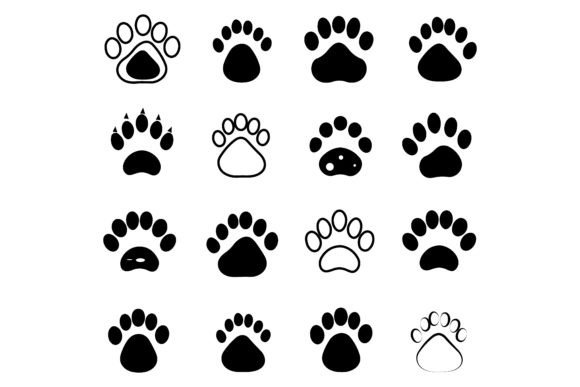
At its core, Animal Footprints is a premium font that masterfully blends form with function. Its visual characteristics are rooted in realism, with each glyph mimicking the authentic texture and shape of actual animal tracks. The style is neither a clean sans serif font nor a traditional serif font; instead, it occupies a niche as a highly specialized display font. Its personality is rugged, adventurous, and inherently connected to themes of nature, wildlife, exploration, and sustainability. The overall appeal lies in its immediate recognizability and its ability to set a specific, powerful mood with just a few characters.
Strategic Applications for a Distinctive Typeface
The true value of a creative font like Animal Footprints is realized in its application. It excels in projects where brand identity needs to be bold and unmistakable. Consider its use in logo design for outdoor adventure companies, eco-friendly brands, wildlife conservation organizations, or children's educational materials about nature. The font’s inherent character does much of the heavy lifting, creating instant association and recall. In packaging design, it can transform a product, making it stand out on shelves for items like organic foods, craft beers, hiking gear, or artisanal goods.
Beyond branding, its utility spans the creative spectrum. In editorial design, Animal Footprints can create captivating headlines for magazine features on safaris, environmental issues, or pet care. For web design, it can be used strategically for hero sections, blog post titles, or event banners to inject personality. Its impact is equally strong in social media graphics, where distinctive visuals are crucial for engagement. Think of eye-catching posts for zoos, nature photographers, or outdoor apparel brands. It’s a commercial font built for projects that need to tell a story visually.
The Mechanics of Effective Implementation
Choosing a premium font like Animal Footprints requires careful consideration of project fit. It is a powerhouse for headlines and short, impactful phrases but is generally not suited for body copy due to its detailed, textured nature. The key is to use it for high-impact moments where its design can be fully appreciated. When evaluating a project, ask: Does the theme align with nature, adventure, or organic authenticity? If yes, this typeface could be a perfect match.
A critical part of the design process is font pairing. Animal Footprints works best when balanced with a clean, neutral companion. Pair it with a simple sans serif font for body text to ensure readability and create a clear visual hierarchy. For example, use Animal Footprints for a main headline and a font like Open Sans or Lato for subheadings and paragraphs. This contrast allows the display font to shine without overwhelming the viewer. Always test pairings in context to see how they interact on screen and in print.
When you invest in this typeface, you’re not just getting letters; you’re getting a full suite of design assets. The included EPS file is a significant advantage for professionals. This vector format allows for infinite scalability without loss of quality, crucial for large-format printing or detailed logo work. More importantly, it offers unparalleled control. You can modify the artwork in Adobe Illustrator or similar software, adjusting individual anchor points, changing colors to match a specific brand palette, or deconstructing elements for custom illustrations. This level of editability is what separates a standard font from a versatile design toolkit.
Finally, always consider the practicalities. Ensure the commercial font license covers your intended use, whether for a client project, merchandise, or digital products. Review the full character set to see what stylistic alternatives, ligatures, or additional glyphs are available—these details can add depth to your work. For readability, use it at sizes where the intricate details remain clear. Test it in both color and monochrome to ensure it retains its impact. By following this practical guidance, you can leverage Animal Footprints to create work that is not only visually compelling but also strategically sound, leaving a lasting impression on your audience.