15 Animal Play Music Character Outlines: A Designer’s Toolkit for Joyful Projects
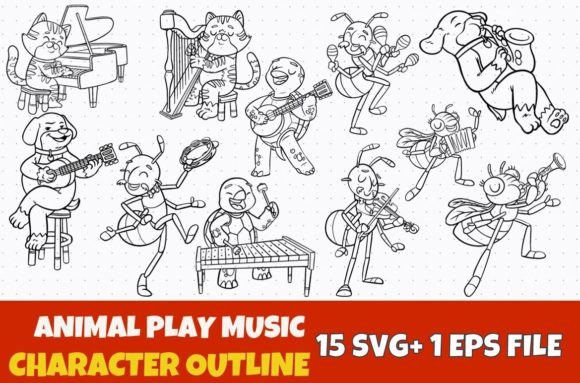
Finding the right visual assets for a project often feels like searching for a specific note in a complex symphony. You need something that strikes the right chord with your audience, fits the mood, and works seamlessly within your technical workflow. The 15 Animal Play Music Character Outline collection is one of those rare finds that hits all those notes. It’s not just a set of images; it’s a versatile design system built around a charming, consistent theme of animals creating music.
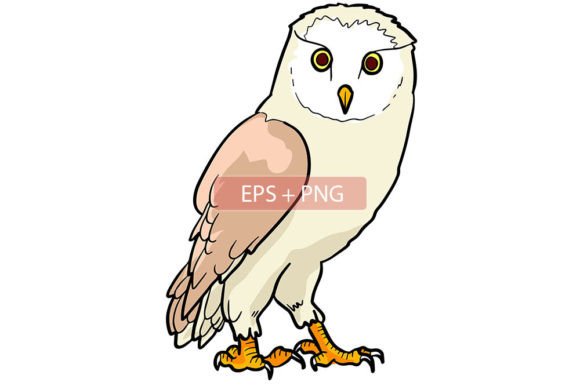
At its core, this collection features fifteen distinct animal characters, each engaged with a musical instrument. Think of a bear with a tuba, a fox with a violin, or a rabbit on drums. The style is clean, outlined, and cartoonish, with a focus on expressive poses and clear silhouettes. Each character has a distinct personality that shines through—a wise owl with a flute looks contemplative, while a squirrel with a tambourine appears energetic. This consistency in style but variation in character makes the set incredibly useful. The outlines are bold and simple, making them perfect for applications where clarity at small sizes or from a distance is crucial, like on a book cover thumbnail or a sticker.
Where These Musical Animals Truly Shine
The practical applications for a set like this are broader than you might initially think. For publishers and authors, these outlines are a direct solution for KDP Amazon book covers and interior illustrations. A children’s book about an animal band practically designs itself. For coloring book creators, the provided editable files are a game-changer. You can adjust line weights, add intricate details within the shapes, or even recombine elements to create new scenes, ensuring your book stands out in a crowded market.
For those in print on demand and sticker design, the characters are ideal. Their fun, approachable look translates perfectly to merchandise. Imagine a set of die-cut stickers for a music teacher or a series of greeting cards for a band friend. The icon/mascot product potential is also strong. A simplified version of one of these animals could become the friendly face for a music school’s website, a podcast about creativity, or a local band’s social media presence. As graphic resources, they can inject personality into presentations, blog headers, or email newsletters, moving beyond standard stock photography.
From File to Finished Product: Making It Work
Receiving the 15 SVG and 1 EPS editable file formats is where the real power lies. This isn’t a static image pack. An SVG file, for instance, allows you to change the fill color of every single shape in a vector editing program like Adobe Illustrator or the free alternative, Inkscape. You can make the bear’s fur blue, the guitar red, and the background yellow to match a specific brand palette. This level of control is essential for creating a cohesive brand identity or a professional-looking product line.
When integrating these characters into your work, think about visual hierarchy. A large, central character can serve as a powerful focal point on a book cover. A smaller, repeating pattern of musical notes and instruments from the set could create a subtle, thematic background texture. For web design and social media graphics, consider using a single character as an avatar or a series of them to illustrate different service offerings or blog post categories. The key is to use them intentionally, not just as decoration.
A critical step is always to test how the assets interact with your typography. If you’re using a bold display font for a headline, a detailed character might compete for attention. In that case, using a simpler outline or a smaller version of the animal could create better balance. Conversely, a playful script font or handwritten font pairs naturally with the whimsical vibe of these characters, reinforcing a friendly, approachable tone in your editorial design or packaging design.
Choosing and Implementing with a Critical Eye
Before diving in, evaluate the specific characters against your project’s needs. Does the overall art style align with your brand’s personality? Is the level of detail appropriate for the medium? A highly intricate character might get lost when printed very small on a sticker, while a very simple one might look bare on a large poster. The collection’s strength is its range, so select the characters that best tell your project’s story.
Practical guidance is straightforward. Open the files in your preferred editor and experiment. Change colors to see how the palette affects the mood. Scale them up and down to check for clarity. Try pairing them with different font styles from your library—a clean sans serif font for a modern, professional look, or a classic serif font for a more traditional, storybook feel. This testing phase is crucial for ensuring the final product feels polished and intentional.
Remember, this is a premium font and asset pack in terms of its utility and professional file formats. The included commercial license is a key part of its value, allowing you to use the characters in products for sale without legal ambiguity. For designers, entrepreneurs, and creators, having a reliable, high-quality set of design assets like the 15 Animal Play Music Character Outline is about efficiency and quality. It solves a specific creative problem with style and flexibility, letting you focus on the bigger picture of your project’s success. Whether you’re building a brand, publishing a book, or launching a product line, these musical animals provide a harmonious foundation to build upon.